Introduction
Self-made roof repairs may be cheap, yet one has to prepare them well to prevent accidents. Homeowners should be aware of the dangers involved in climbing up, and they should have the right tools, footwear, and safety measures before going ahead to do it. A strategic system will help in easier fixing and help in avoiding more harm. Being attentive, having support that is not volatile, and observing weather conditions are big roles that will see to it that the work is done successfully. Due to proper precautions, DIY roofing is less risky and easier to handle.
Home Roofing Projects: Key Safety Tips for DIY Repairs
Homeowners are exposed to instability of surfaces, falls, and slips in roof work. Being aware of the risks will assist you in making the right preparations, selecting safer ways, and minimizing the risks of making avoidable errors when working at height.
Here are the list of safety tips for DIY repairs:
-
Examine the Roof Situation First
Looking at weak points, loose shingles, and places where water has damaged them, so that you know what areas to avoid. Finding solutions to structural problems makes your movement safer and allows you not to fall down unpredictably or take steps accidentally during repair.
-
Wear Proper Safety Gear
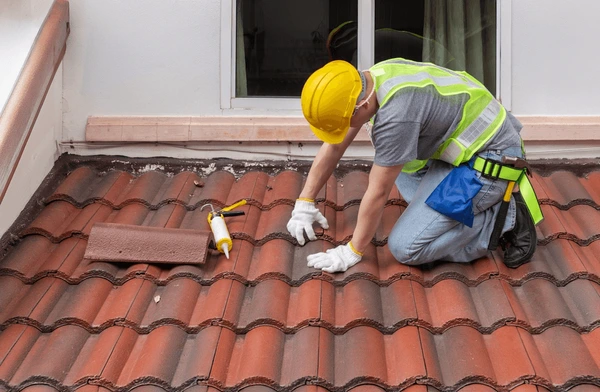
Non-slip shoes, gloves, and a protective helmet will help you decrease the risk of falls, scrapes, and sharp objects. The right gear will enable you to be stable on the steep surfaces and will also increase your safety in general during the repair process.
-
Fix Your Ladder Properly
When climbing a ladder, it is important to place the ladder on level ground with an appropriate angle to maintain a stable position. Stretching it over the roof edge will provide better transitions and will sharply decrease the chances of sudden slips or accidents of falling sharply.
-
Choose the Right Footwear
Shoes with rubber soles offer a stable footing on the shingles, and one does not need to fall on the ground. Traction shoes are used to assist in making stable movement, especially when moving along angled surfaces or moving tools along various parts of the roof.
-
Avoid Working Alone
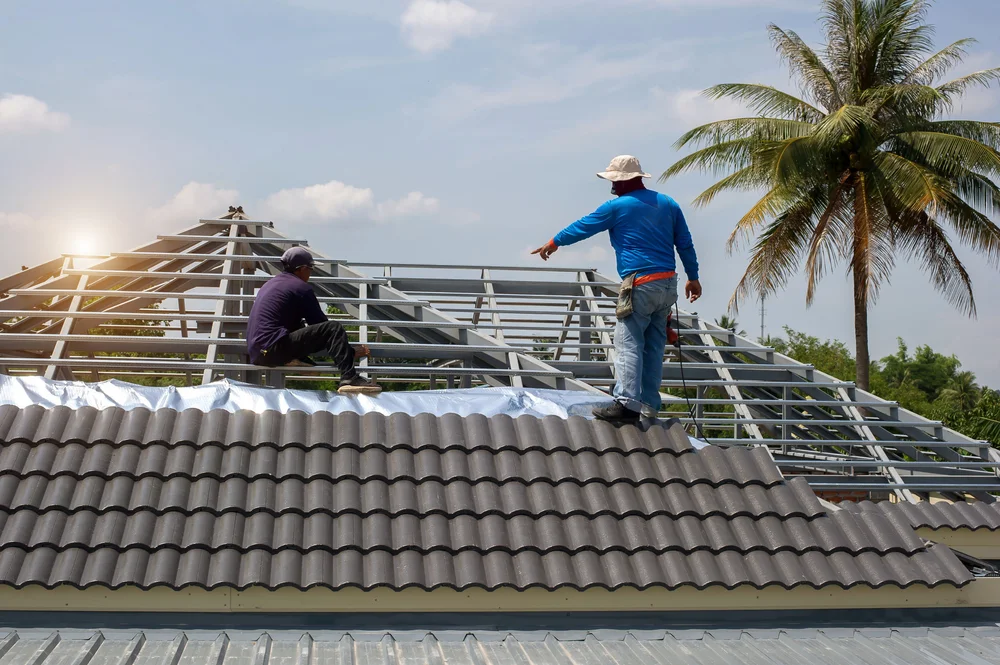
With someone around, emergency help is easily accessible in case of an emergency. One of the partners can hold ladders, pass you tools, and keep an eye on your well-being, so that you do not have to go through any unforeseen risks without instant help or aid at hand.
-
Keep the Work Area Organized
It is advisable to store tools and materials in a well-organized location to avoid the chances of tripping or sliding. A properly arranged working space will assist you to move around with confidence, avoid accidents caused by clutter, and also help ease access to all items that will be required at the repair.
-
Watch Weather Conditions
Never work in the rain, wind, or under high temperatures; this forms more hazards of slipping and distracting your concentration. Clear, dry, and cool climate gives the best conditions for finishing roofing tasks without incurring needless complications.
-
Apply Roof anchors and Harnesses
Fall protection is provided by harnesses and anchors, which are needed particularly on steep surfaces. They retain you during movements or bends with a minimum risk of falling suddenly, thus facilitating better navigation along various roof parts.
-
Handle Tools Carefully
Still, hands will avoid cases of slips or cuts. By locking them up after usage, you eliminate any sudden movement or the chance of tripping, so that whatever you are up to is under control and safe, not causing any unexpected pain during the repair process.
Conclusion
Home repairs of the roof can be both fulfilling and economical to perform, although one needs to be careful with safety. You are well-positioned, have the correct equipment, well-organized equipment, understand the weather conditions, and minimize risk. Protection is further advanced by the use of roof anchors, stable ladders, and collaboration. Being observant, checking the buildings properly, and working when one is not tired, is enough to enable homeowners to do simple jobs. Safety is going to be the best priority, and, therefore, all the tasks will be performed efficiently, and, at the same time, you will be covered from the accidents that can be avoided.
Read More
FAQs
Which weather is the most favorable for doing roof work?
The most suitable weather to work on any roofing job is clear, dry, and calm.
Do small repairs need to be used with safety gear?
Yes, even minor repairs would need anti-slip shoes, gloves, and simple protective gear.
In what cases should I not repair myself?
Repairs should not be compromised when it is raining, on windy days, or when the roof’s surface appears unsafe.