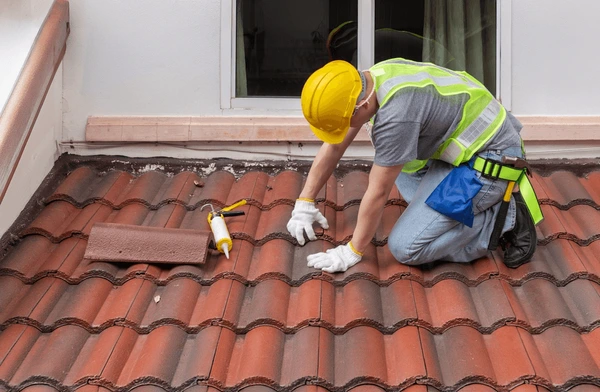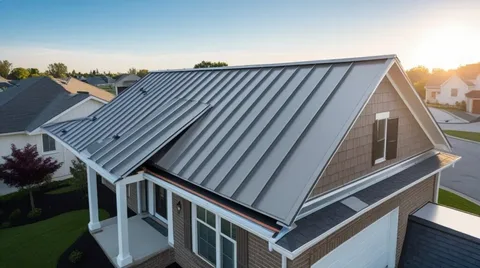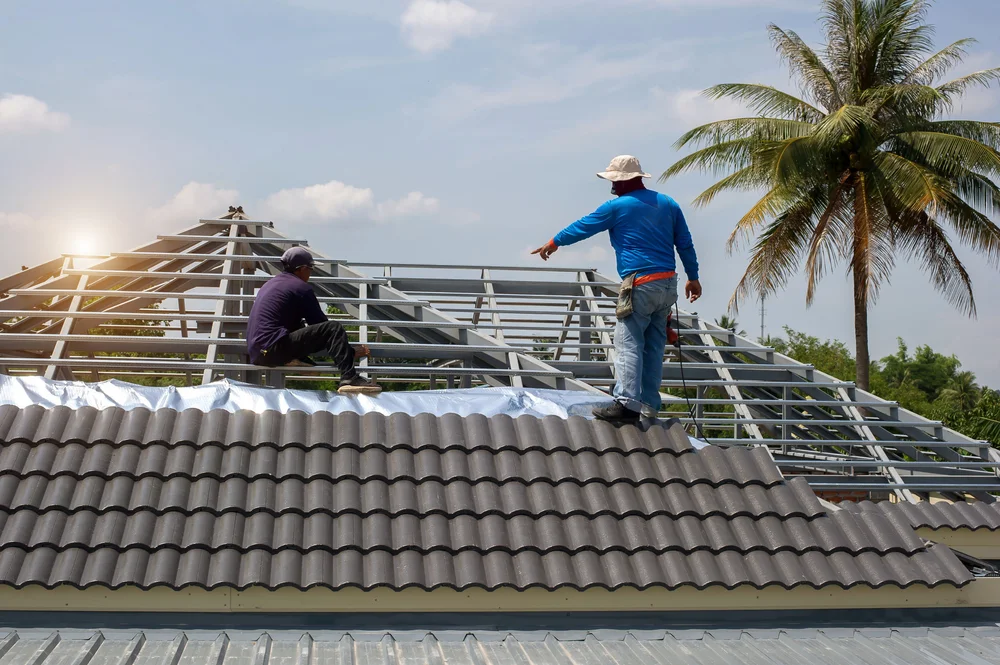
The replacement of the roof is very important in enhancing the energy efficiency of a home. A deteriorated or old roof permits heat escape, air escapes, and moisture entry, making heating and cooling systems work harder. The current roofing systems have developed the use of sophisticated insulation, ventilation, and reflective material that controls the indoor temperatures better. Through roof upgrading, the homeowners can make use of reduced energy consumption, more comfort, and similar indoor conditions in all seasons.
Energy Savings at Home: The Benefits of Roof Replacement
Such a construction as the roof replacement can enhance the energy efficiency of a house considerably, resolving the issue of the heat losses, air leaks, and the use of old materials that can overload heating and cooling systems.
Here is the way a new roof will make a measurable difference:
-
Better Thermostats and Insulation
By replacing the roof, there is an increase in energy efficiency as better insulation systems will be installed to reduce the movement of heat to the outside areas. Modern insulation helps homes to stay warm in the winter and cool in the summer, and lessens the need to utilize HVAC systems and thus providing year-long comfort to the homeowners regarding the issue of utility savings in the country.
-
Enhanced Roof Ventilation
A replacement of an old roof enables the design to have proper ventilation to avoid the accumulation of heat in the attic. Balanced air flow expels the trapped hot air in summer and moisture in winter, and makes HVAC systems operate effectively without burdening the structural materials due to the temperature variations and damage later in the year due to the changes in seasonal climatic conditions every year.
-
Energy-efficient Roofing Materials
The modern roofing materials are designed to be energy efficient through reflective or cool roofs. Such surfaces reflect sunlight, capture less heat, and lower the amount of heat introduced into the inside, particularly during hot weather, decreasing the cooling requirements, and enhancing the overall energy in the household, which generally increases dramatically during the peak summer months.
-
Sealing Air Leaks and Gaps
Roof replacement solves concealed vacancies, cracks, and broken flashing, which result in air leakage. Close these weak spots, and the conditioned air can not escape. The heating and cooling systems can ensure that they provide desired temperatures with minimum wasted energy and unwarranted labor on the mechanical parts of the systems during their daily operations throughout the year in the same environment, that is, indoors.
-
Improved Attic Temperature Regulation
An attic has a new roof that enables the control of attic temperatures and moisture to a greater extent. Insulation by avoiding extreme heat retention and condensation keeps the building dry and operable to meet energy efficiency, indoor comfort, and eliminates chances of mold growth that degrade thermal performance over time in residential buildings specifically built.
-
Reduced HVAC System Load
A new roof will have a lower workload on HVAC, with better insulation, ventilation, and airtight construction. Systems recycle less, use less power, and wear less. These savings reduce monthly utility bills and also prolong the lifespan of heating and cooling equipment to a great extent for the homeowner who is today responsible for maintaining their equipment over a long period of time.
-
Advanced Thermal Barriers
Replacement of the roof is usually accompanied by modern underlayment and radiant barriers, which help to control heat. These elements mirror heat off dwellings and block heat loss, enhancing annual energy efficiency, besides supporting green building and ecological footprint related to excess energy use in house building ventures around the world today.
-
Long-Term Energy Savings
Even though roof replacement would cost money in the short run, increased energy efficiency would provide long-term savings. Less energy consumption will decrease utility bills, improve property ownership value, and provide comfort. In the long run, these advantages will pay back the installation costs as well as add value to a more sustainable and cost-efficient home for the families that prioritize efficiency-oriented choices in housing across the country.
Conclusion
To conclude, replacement of the roof is a strategic investment that directly boosts energy efficiency and longevity of home performance. A new roof will decrease heat loss by enhancing insulation and sealing air leaks and using energy-efficient materials, which will reduce HVAC load. The results of these improvements are reduced utility bills, enhanced comfort indoors, and a longer life span of equipment. In the long run, the advantage of energy conservation and longevity of the roof is more than start-up expenses, which is why the replacement of the roof is a reasonable and environmentally friendly option.
FAQs
Does roof replacement enhance energy efficiency?
Yes, a new roof would minimize the loss of heat, air leakages, and wastage of energy.
What are the most energy-efficient materials for roofing?
Cool roofs, metal roofs, and reflective shingles are the best.
Is it possible to save money on electricity using a new roof?
Yes, better insulation and ventilation save on energy consumption.