Introduction:
Roofs are highly susceptible to wear and tear due to extreme storms. No matter whether your roof is new or old, or what kind of material has been installed on it, storms can pose damage to all. Thunderstorms, hail, tornadoes, snowstorms, and high winds are the major culprits that affect your home’s roof. But rather than not handling the roof with the roof repair process after a storm, it is a must to inspect and repair it. It is a must for you to know about the effects of storms on a roof and what to do after a storm.
Roof Repair: A Checklist for Homeowners to Save Roofs from Further Damages After a Storm
Do you know what to do after a storm has hit your home? What are the effective steps to deal with a damaged roof? How do these steps help you manage the roof repair process? Are these processes helpful to protect the home roof from further damage? If you are living in an area with a high probability of storms, your roofs are highly susceptible to damage. You must know the steps to take after a storm has hit your roof for roof inspection and roof repair.
The following are steps to be taken after a storm has damaged your home’s roof:
-
Conduct a Preliminary Inspection:
After a storm, the first step is to assess the damage faced by your roof. You must assess the nature of the damage to the roof, whether it is limited to the roof or it has damaged the roofing deck. Mostly, a roof deck is safe, but sometimes, the extreme nature of a storm can damage it.
In the assessment process, you should look for missing, displaced, or damaged shingles. As well, you must look for the leaks and clogged gutters. This step will help you to know about the damage nature by yourself.
-
Prioritize Safety:
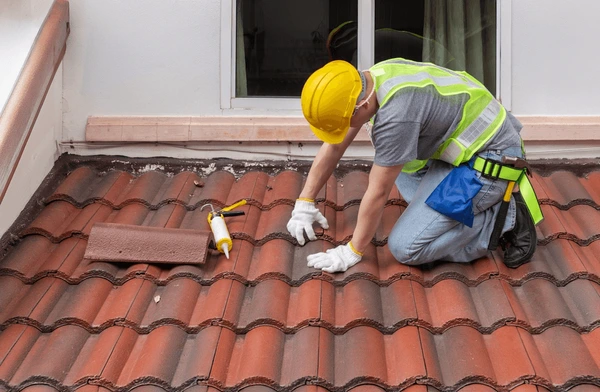
While assessing your roof after a storm, it is a must to use safety gear like a ladder, gloves, and special shoes that offer an anti-slipping grip. You may also need a safety belt. All of these gears will offer peace of mind and protection from falling.
Most of the home roofs have high slopes, and their materials get wet during a storm. So, to avoid falling, which can lead to fatal injuries, you must use this gear for your safety. Furthermore, the ladder will help you locate the damages easily, which are present at high altitudes of the roof.
-
Document the Damage:
If the damages are high, you may take photographs of the roof with visible damage. Use multiple angles to take photographs of your roof. This documentation will help you to claim insurance for roof repair from your insurance company. If the damage is on both sides of the roof, like on the interior or exterior, you must take photos of all sides.
-
Make Temporary Repairs:
Check your local weather map to know the weather conditions. If there are chances for more storms to hit in your area, you should go for temporary roof repairs with a tarp or plywood. It will help you to cover damaged, displaced, or missing shingles for some time. It is not a permanent solution, but it can save your roof from intense damage for a particular period.
-
Contact Your Insurance Company:
Contact your insurance company to notify them about the storm damage to your home’s roof. Provide them with documentation that you have collected. They will send an employee or roofing adjuster to verify the damage to your home’s roof. But ensure to work with the best roofing company to repair your damaged roof flawlessly.
-
Hire a Professional Roofing Contractor:
Your insurance company will assist you in working with the cheapest roofer available in your town. But you are not bound to them for roofing services. Be sure to choose professional roofing contractors with years of experience and operating in your town. A qualified contractor can repair your home’s roof seamlessly.
Conclusion:
To sum up, roof repair after a storm is essential to maintain the structural integrity of your home’s roof. But before going for the main process, you should follow some instructions, like inspecting the roof by yourself, following safety measures, taking photographs for documentation, notifying your insurance company, and hiring a professional roofer to repair your roof with proper techniques and suitable materials. All of these steps will help you to repair your roof seamlessly. Be sure to read this guide completely to handle your roofs perfectly after storms.
FAQs:
Why is there a need to repair a roof after a storm?
Storms can cause significant damage to your home’s roof by displacing, missing, or damaging shingles.
What materials are used for temporary roof repair in DIY techniques?
Tarpo or polywood is used to handle the roof damage with DIY techniques.
Can I get roof repair services near me?
Yes, you can get roof repair services near you from professional roofers operating in your town for many years.