Introduction
A house without a roof is like a book without a cover, something beautiful but bare and exposed. A roof installation not only protects your home but also increases its value in the market. Homeowners should pay extra attention and try to understand various aspects of the roof installation process, from obtaining quotes to the materials used and the quality of the contractors hired. This not only helps you extract maximum value but also ensures your roof installation project is smooth like hot butter on toast.
Why Do You Need a New Roof?
There are multiple reasons for installing a new roof, including fixing damage, improving energy efficiency, and increasing property value. Roofs are not built to last a lifetime, and continuous exposure to heat, storms, or rain can suck the life out of them, making replacement a necessity. Homeowners should pay extra attention, as saving a few bucks by not replacing urgently can burn a huge hole in their wallet.
Let’s swirl past a few reasons why you need a new roof installed:
-
Aging Roofing Material:
The roof acts as armor around your property, protecting it from exposure to the outside heat, cold, and rain. This eventually takes its toll as it begins to show signs of wear. Depending on materials, most roofs last 20-30 years, and an eventual replacement is required after that time.
-
Constant Roof Leaks
If you reside in an area where it rains a lot, then the roof degrades faster and can cause serious interior damage. A timely roof replacement can help save your interior and thousands in expenditure if the situation gets worse.
-
Low Energy bills
A new roof helps you lower your energy bills with improved ventilation and reduced transfer of heat. This way, your property remains cool in summer and warm in winter while you save money on energy bills in the long run.
The Process of Choosing The Right Contractor For Your Roof Installation
Depending on your area, there might be multiple roof installation companies vying to do business with you, but it is your responsibility to research, pick the best available option, and outline everything before starting the project. All these steps might feel like a hassle, but they are worth it and help you avoid any unpleasant surprises after you have started the process of replacing your roof.
-
Get Multiple Quotes
Try to get quotes from as many companies in your area as possible and never end your search after getting the first estimate. You’ll have to sift through the mud to find prices that meet your needs and budgetary requirements.
-
Ask For Recommendations
Search online platforms, forums, and marketplaces to get unbiased opinions of homeowners who have already replaced their roof or are entertaining the idea of doing so. You might find some golden nuggets of knowledge there.
-
Analyze The Contract
Before starting work on the project, a contract has to be signed with the roofing contractor, so make sure to read and analyze it thoroughly before you sign. The contract should have information related to materials, payment schedules, and warranty details.
The Roof Installation Process
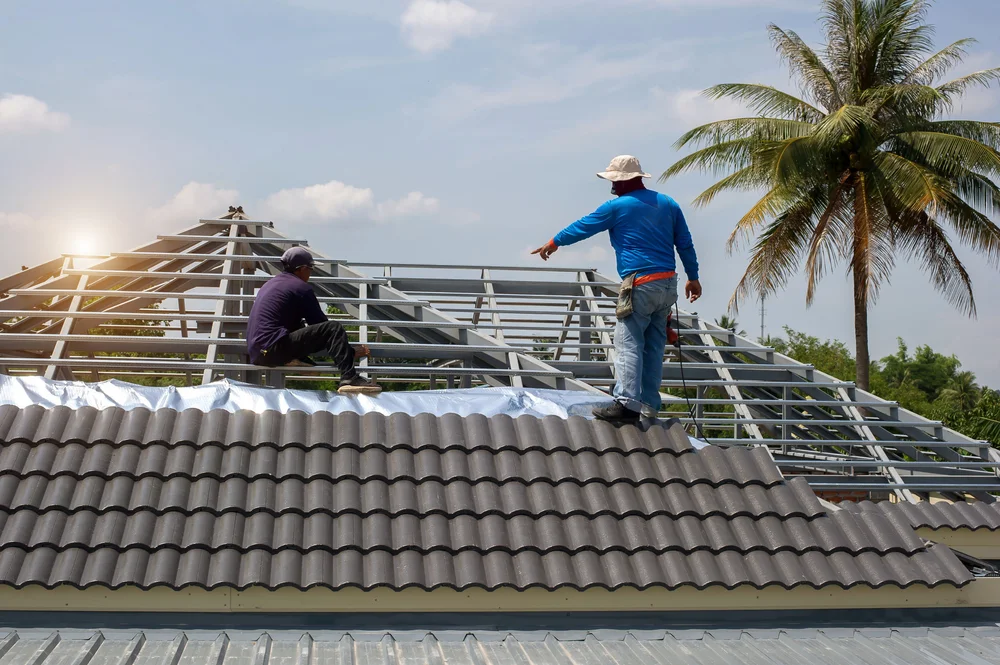
After your initial research, finding a contractor, and signing a contract, it’s time to begin replacing your roof. The contractor should have handled all the permits before tearing down your old roof and installing a new one. Expect a lot of debris while removing your old roof, and make sure there is a dumpster on site to throw it in.
Here’s how the roof installation process starts:
-
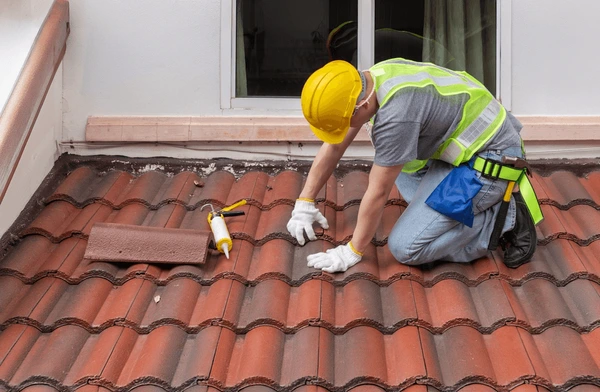
Removing The Old Roof
The old roofing materials are stripped off to make space for new ones, and the resulting debris is tossed into a dumpster. Make sure to make arrangements for your vehicles, as the resulting debris might cause some serious damage.
-
Roof Deck Inspection
After removing the old roof, the contractor checks for possible damage to remove or replace sections for a seamless installation of the new roof.
-
Underlayment and Shingle Installation
The contractor proceeds with the installation of an underlayment that acts as a waterproof barrier and is installed beneath the roof covering. This step helps protect your property against water leaks and preserves its value for a long time.
-
Ventilation
Proper ventilation helps prevent mold, and the contractor installs or upgrades your ridge vents, soffit vents, and gable vents. These vents facilitate overflow, help keep the temperature in check, and preserve the life of your property.
-
Final Cleanup
Roof installation is a messy process and results in debris. The crew performs a thorough cleanup of the property as they remove debris, check for nails, and do a final inspection to check if they have missed anything and remove it too.
Conclusion
Homeowners should focus on every aspect of the roof installation process, as it is not only about getting a quote and starting the project. Always get quotes from multiple contractors, search online, and then choose a contractor that best suits your needs. All the permits should be cleared by the contractor, and the final contract offer should include important details like materials, payment schedules, and the expected project completion date.
FAQs
How do I know when it’s time to install a new roof?
If you are facing issues like leaks, damage, or constant repairs, then it’s time to install a new roof on your property.
What are the main benefits of installing a new roof?
A new roof improves ventilation, which results in lower energy bills while also eliminating issues like leaks in your property.
How long does a typical roof last before it needs replacement?
A typical roof lasts between 20-30 years, and later it is in your best interest to get a replacement instead of costly repairs that incur the same amount.
Why is it important to get multiple quotes from roofing contractors?
Roofing companies do not offer the same rates, and if you pick the first company you call, then chances are you might be overpaying.
How does a new roof impact my home’s energy efficiency and utility bills?
A new roof helps lower your energy bills with improved ventilation and reduced transfer of heat, as it helps your property remain cool in summer and warm in winter.