Introduction
It’s not easy to locate the area where water infiltrates your roof. Small leaks can be fixed by repairing or replacing the damaged or missing shingles and applying sealants around chimney flashing, skylights, and vents. For metal roof repairs, apply sealants to the corroded area after cleaning it. Replace the damaged washers or screws, and patch any holes or cracks. Regular roof cleaning and maintenance and annual professional inspections help protect your roof and preserve the structural integrity of your home.
Tips to Fix Roof Leaks and Keep Your Structure Dry and Safe
Do you know that more than 6 million homes nationwide face the challenges of roof leaks annually? Locating a roof leak can be challenging. Water can travel in any direction, not just downwards, due to capillary action and strong winds. Leaks become visible only after moving from one section of your structure to another, making it difficult to find the actual compromised area without a professional’s help. If you are unsure of the cause or location of your roof leak and are searching for roof leak repair near me, professional roofers have the tools and the expertise to spot and fix the issue fast.
| Did you know?
According to the National Roofing Contractors Association (NRCA), around 33% of US homes experience a roof leak each year. |
Here is your guide to repairing a leaky roof and making your structure safe and dry.
-
Repair or Replace Shingles
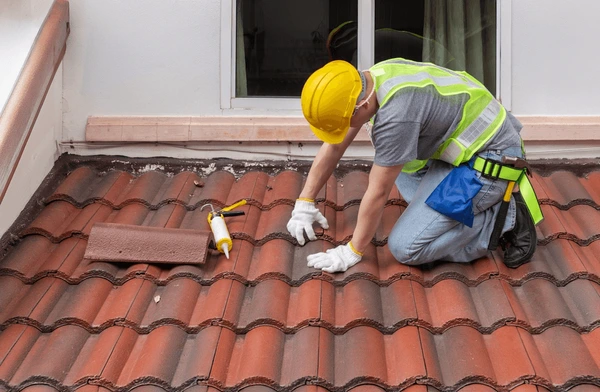
Cracked, warped or missing shingles expose your underlayment to elements. Even a popped-up nail can make room for water infiltration, causing structural deterioration over time. If you have spotted water stains or peeling paint indoors, inspect your roof and address any damage without delay.
-
Reseal the Flashing and Vents
Musty smells indoors are a clear indicator of hidden leaks. Check the roof areas that are more prone to water damage, such as chimneys, flashing, vents and skylights. Replace the damaged flashing and apply caulk or sealant to make the area water-tight.
| Fast Fact
Leaks don’t always start with water. Excessive heat, UV radiation and flying debris create issues and make way for water infiltration. |
-
Replace the Damaged Screws
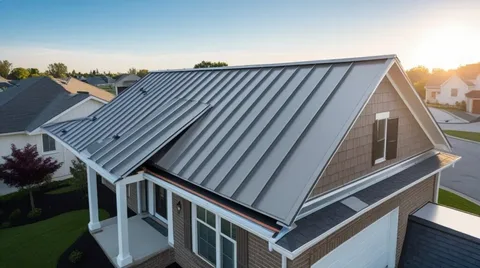
Loose screws and aged washers can result in roof drips. To repair a leaky metal roof, tighten or replace any corroded fasteners to create a strong barrier against element damage.
-
Apply Sealants
To repair minor cracks and holes in your metal roof, clean the area. Apply a generous amount of sealant to cover the spot. Use a proper sealant made especially for metal roofs.
| Important fact
Roofs with a slope less than 2:12 are more prone to leaks and require additional waterproofing or repatching to ensure better water drainage. |
-
Patch the Larger Holes
To fix larger holes, clean and remove the damaged section carefully. Take a matching roof patch, slightly larger than the damaged area. Apply it using adhesives. To properly secure it, secure the edges using a sealant.
-
Ensure Regular Cleaning and Maintenance
Regularly clean your gutters and downspouts to ensure proper water drainage. Trim overhanging branches and apply sealants whenever necessary. A leaky roof leads to rot, compromises your health, causes allergies, damages insulation, and exposes your structure to fire risks. Schedule annual professional inspections to improve your roof’s efficiency and catch issues in time.
Conclusion
Lack of maintenance, daily wear and improperly installed or poorly sealed windows and skylights affect your roof’s ability to keep water out. Minor roof leaks can be fixed by replacing missing or damaged shingles or flashing. Applying sealants extends the life of your roof and helps form a protective barrier that prevents leaks and UV damage. Schedule a professional inspection if the damage is extensive and can not be handled by DIY repairs.
FAQs
Which areas of my roof are most susceptible to leaks?
Chimney flashing and vents, skylights, valleys and eaves are more susceptible to roof leaks than other parts.
What is the 1:300 rule for attic insulation that results in better roof performance?
Building scientists suggest one square foot of ventilation for every 300 square feet of attic space to reduce the risks of ice dams and prevent moisture accumulation.
What is the strongest waterproofing material to protect roofs?
Polyurethane is usually considered the strongest material for waterproofing roofs. Bituminous membrane waterproofing is another economical waterproofing method.