Introduction
A leaky roof can take hours to fix and hundreds of dollars. That’s not even taking into account the damage to your furniture and electronics due to the penetration. The best thing to do is to avoid the situation altogether. Homeowners can do a number of things, like scheduling routine roof inspections, ensuring proper ventilation, and keeping up with roof cleaning, to reduce the chances of their roofs springing leaks. If you’re a responsible homeowner wondering what you should do to prevent a leaky roof, the following blog is just for you.
Tips & Tricks To Prevent That Drip-Drip-Drip: A Homeowner’s Guide To Roof Maintenance
A leaky roof isn’t something that you should take lightly. It disrupts your life, lowers property value, and can lead to extensive structural damage if not repaired on time. Whether you’re looking to avoid the hassle of a leaky roof during the chilly winters or you just want to protect your property from moisture damage, here are a few things that you can do to keep your home dry, comfortable, and sound.
Take notes as we help you avoid leaky ceilings.
-
Gutter Cleaning
Scheduling routine gutter cleaning services is a good place to start. The leaves and debris that get caught in downspouts can prevent smooth drainage. This, in turn, leads to ponding water that eventually wears down your roof’s material. By scheduling routine gutter cleaning services, you ensure that any rainwater or melting snow slides off your roof quickly.
-
Trim Overhanging Branches
Practicing good landscaping is another good way to keep your roof from leaking. Trimming back any overgrown branches keeps your roof from scratching and scraping, preventing wear and tear and any eventual leaks.
-
Routine Roof Cleaning
By regularly clearing away dead leaves, dirt, and other forms of debris from your roof, you prevent any moss or algae from taking root. This can prove instrumental in preventing roof damage and leaks in the future.
-
Routine Roof Inspections
Another good way to prevent leaks is to routinely have a knowledgeable and experienced roofing contractor assess your roof. This can help catch minor issues before they become big ones and stop potential leaks from even happening.
-
Shingle Repairs
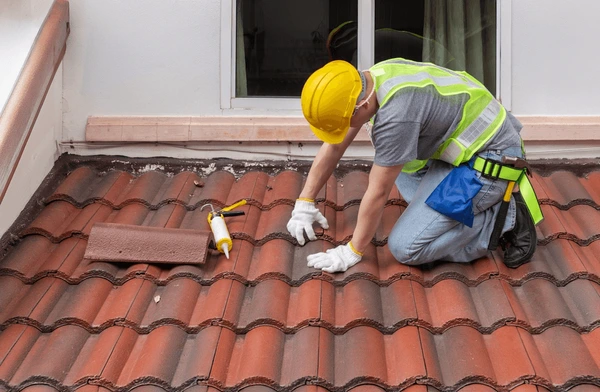
Shingle damage is one of the most common causes of roof leaks. Whenever you notice a missing or warped shingle, replace it immediately to prevent leaks.
-
Fix Flashing
The same is the case for your flashing. You may think that a slightly loose piece of metal is no big deal, but that small gap can easily let in water. Hammer in nails and replace warped flashing to create a water-tight seal against moisture damage.
-
Seal Cracks & Gaps
If it’s your roof seal that’s cracked with thermal pressure or you notice gaps between your tiles, have them sealed and closed ASAP. This ensures that no sneaky droplets can slide their way into your roofing.
-
Ensure Ventilation
You might not think about it, but ventilation is also important to prevent leaks. Inspect and correct any ventilation issues you find to prevent trapped moisture that eventually leads to rot, mold, pests, and leaks.
-
Improve Insulation
Leading from the previous point, seamless insulation is key to helping your ventilation work properly. Poor insulation can lead to pest infiltration and humidity, both of which can wear down your roof and cause leaks in the future.
-
Replace Roofing Material
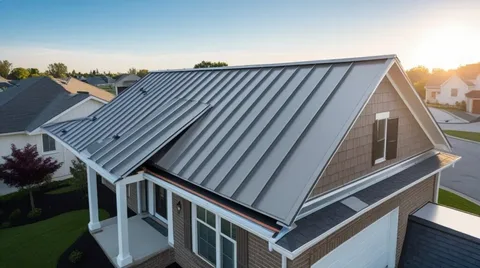
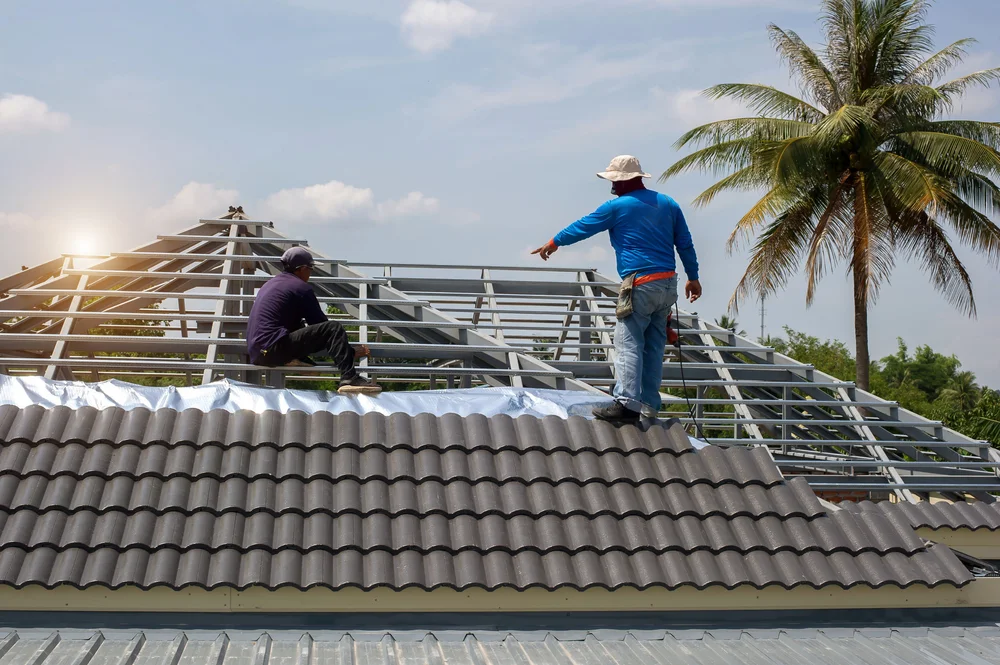
A bit of an expensive venture, but one that could yield long-term results. When you need a replacement, opt for a material that is more durable against moisture damage. Think along the lines of metal, slate, or concrete tiles to prevent leaks in the future.
-
Install Coatings
Speaking of upgrades, you could add a protective layer to your roof as well. Try a roof coating, a waterproof barrier, or even a deck protection to secure your roof against water damage from rain, humid weather, or melting snow.
Conclusion
To conclude, there are several things that homeowners can do to prevent their roofs from leaking in the first place. Installing waterproof barriers, trimming back overhanging branches, investing in routine roof cleaning, and fixing small signs of damage immediately all work together to protect your roof against wear and tear that leads to future leaks. We hope this blog proves instrumental in reinforcing your roof. For more helpful tips, please drop us a line!
FAQs
What are some common signs of roof leaks?
If you smell something musty, notice bubbling paint, or see your ceiling bulge, you might have a leaky roof.
What should I do if my roof leaks?
Turn off the electricity supply, collect the dripping with buckets, and contact a 24-hour roofer immediately.
What is the cost of roof repair?
Depending on the extent of the damage, the price ranges between $350 and $1,900 on average.