Introduction
Whether it was last night’s storm or years of taking on the elements, your roof’s going to need repairs at some point. But it isn’t that simple. Before they can start fixing your roof, roofing contractors conduct a pre-repair roof inspection, assessing the exterior as well as the interior of the roof for other signs of leaks, poor ventilation, and loose shingles before creating a comprehensive report. This is crucial for identifying the true cause of the problem and can help save thousands. If you’re interested in finding out exactly what is assessed during a pre-repair inspection, this blog is just for you.
Assessing Exteriors Before Repairing Your Roof: A Roofer’s Checklist
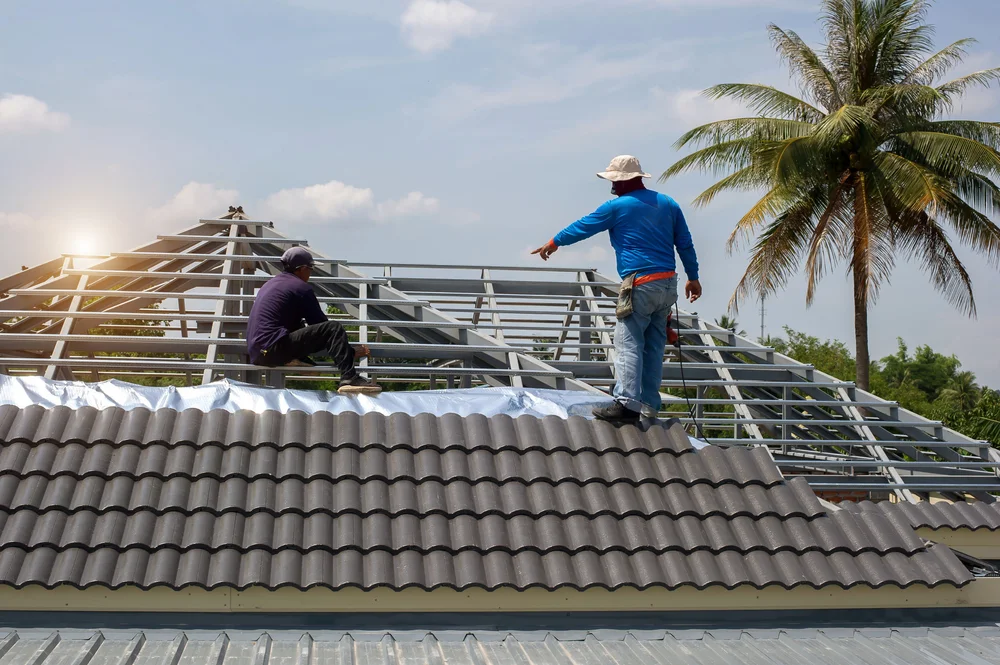
Let’s say that you’ve called in an inspector to examine your roof after a pretty bad storm. They’ll get on the roof or use a drone and follow a comprehensive checklist to ensure they don’t miss anything before starting repairs.
Here is a look at all they’ll cover.
-
Roofing Material
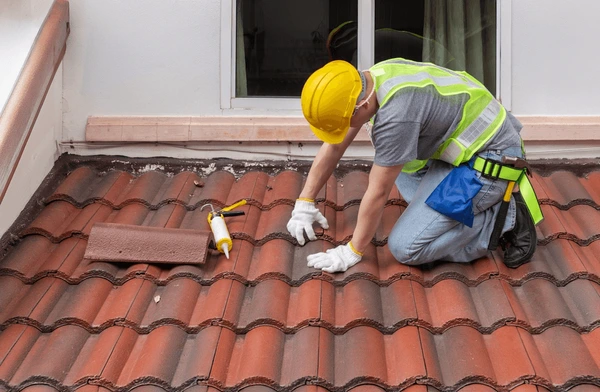
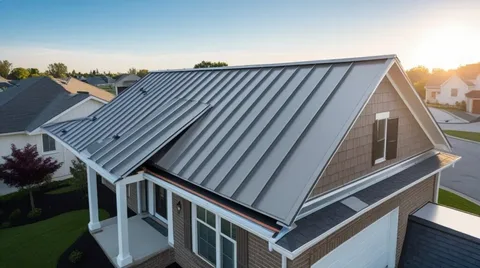
They’ll check the tiles for cracks, the shingles for curling or excessive granule loss, or the metal panels for rust. They’ll also take note of any missing piece that needs to be replaced.
-
Structural Damage
Next, they look for signs of structural compromise. This includes finding sagging or dipping surfaces and uneven roof lines that could indicate a compromised roof deck.
-
Flashing
Any bent or loosened flashing could be the reason for leaks in the future. So, next, your roofers will make note of any loose nails or torn-off flashing that need to be repaired or replaced.
-
Sealing
They’ll do the same for your vents, skylights, and chimneys, assessing the seals for signs of dry rot to ensure that no water droplets can sneak inside.
-
Gutter System
Now they’ll move on to the gutters. They’ll check how securely they’re attached, assess the angle of the gutter, as well as ensure that there isn’t any debris clogging the gutters that could hinder drainage.
-
Fascia & Soffits
The roof inspectors look at the eaves and rake edges as well, keeping their eyes peeled for any signs of mold, pests, or warping.
-
Natural Growth
Finally, they’ll document any moss or algae they notice, while also pointing out any dead leaves or branches they see along the roof’s surface.
Interior Inspections Before Roof Repair: What Roofers Make Note Of
Okay, once the roofing inspectors have examined the exteriors to their satisfaction, they’ll give the interior a good look. This is to ensure there aren’t any hidden signs of wear and tear that might have been missed during the visual inspection of the exteriors. An interior inspection of signs of stains or poor ventilation is important to get the full picture of your roof.
Take a look at what else roofers investigate.
-
Daylight
If your roofers notice that the sun’s managed to sneak inside through minuscule gaps in the roof boards, they know that pests and water can do the same. They’ll make note of any such finding.
-
Water Damage
If your roofers smell something musty, see damp spots, or just find obvious mold on the attic ceiling, it’s obvious your roof’s been compromised. This will also be highlighted.
-
Ventilation
Proper ventilation is necessary to prevent moisture damage and promote comfortable interiors. So if they find that’s not the case, they’ll point it out too.
-
Insulation
Finally, they’ll examine your insulation. They’ll check for signs of moisture damage, pest infestations, or any other kind of wear and tear to assess the condition of your roof.
Presenting Their Findings: What’s In The Roof Inspection Report?
Now that your roof has been thoroughly examined, the roofers will create a comprehensive report detailing all that they assessed and everything that needs to be taken care of. This is important to get a true understanding of your roof’s current condition. The report will include:
- The roof’s current condition and future lifespan.
- Pictures of identified issues
- Repair recommendations
- Repair quotes and estimates
Conclusion
To conclude, a pre-repair roof inspection is important to guide the repair process in the right direction. The roofers will either use a drone or climb on top themselves to check the shingles, identify moss growth, check the gutters, and even highlight warped flashing. Then they’ll assess the interiors for signs of leaks and poor ventilation. The final report will detail all that they inspected and offer recommendations for all necessary repairs. We hope this blog was an informative one. For more questions or insights into roofing services, ask away!
FAQs
How often should I have my residential roof inspected?
Have your roof inspected at least once a year and after every harsh storm.
Can I inspect my roof myself?
You could do a cursory visual assessment, but only professionals have the equipment and knowledge for a comprehensive examination of your roof.
How long does a pre-repair roof inspection take?
Depending on the size and design complexity, it can take anywhere from 45 minutes to 2 hours.